 English
Silicon carbide (SiC) technology is reshaping power electronics by enabling higher switching frequencies, improved efficiency, and operation at higher temperatures than conventional silicon devices in suitable applications. However, selecting components for an industrial power system involves more than comparing electrical specifications or unit prices. Buyers must also assess supplier reliability, technical support, production consistency, and long-term availability. Asking the right questions before choosing a SiC manufacturer helps reduce sourcing risks and supports dependable system development.
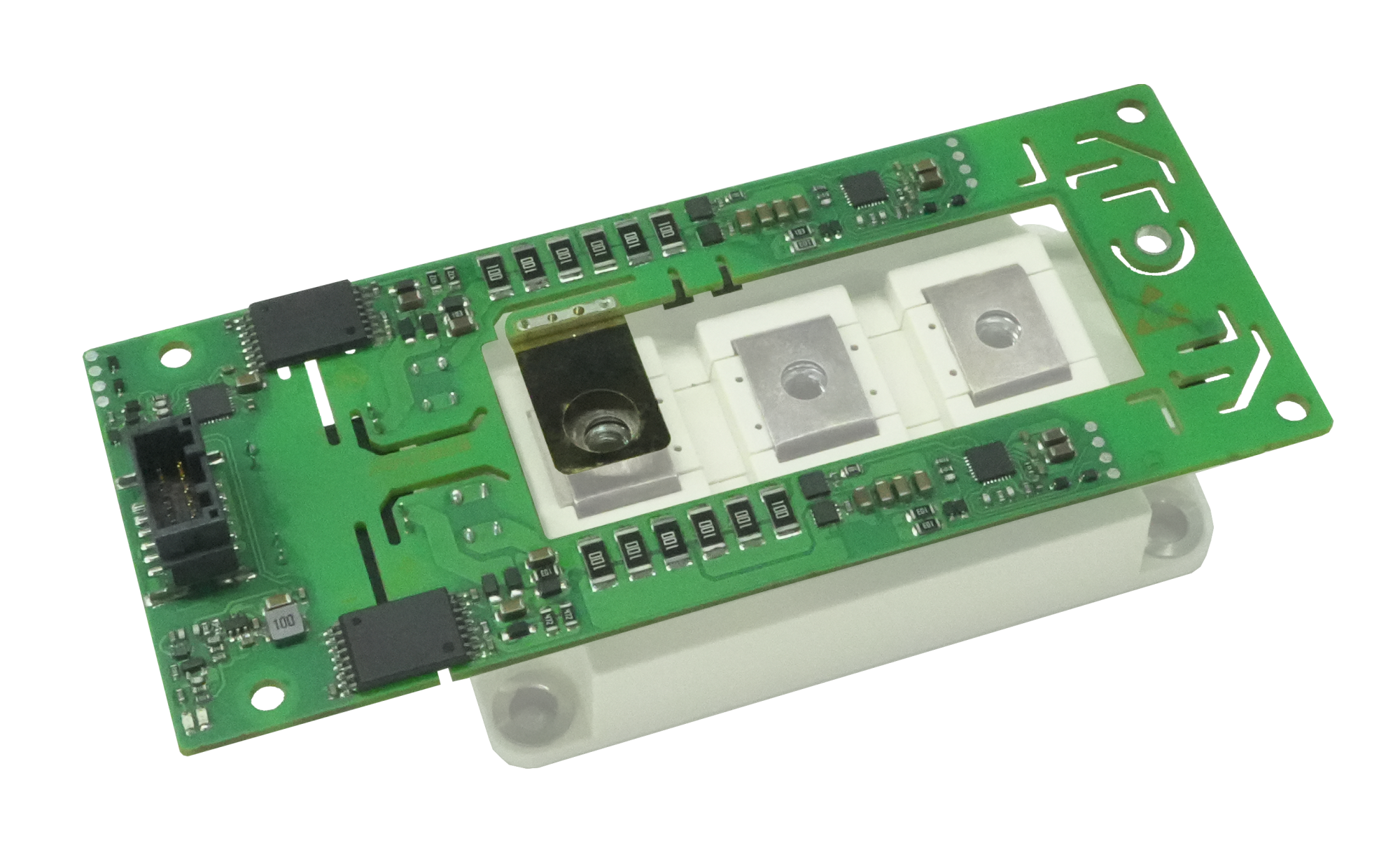
For power electronics buyers, supply chain evaluation should connect semiconductor performance with the capabilities of the wider engineering ecosystem. IGBT gate drivers, power stacks, and testing equipment all influence how effectively SiC devices perform in real applications. At Firstack, we focus on power semiconductor drivers, power stacks, and testing equipment, helping engineers address the practical challenges of developing and validating advanced power systems.
1. Can You Verify the Supplier’s Technical Capabilities?
The first question is whether a supplier can provide the technical documentation and engineering support needed for your application. Buyers should review device ratings, switching characteristics, thermal limits, qualification reports, and recommended operating conditions. These details help determine whether components suit the intended voltage, current, temperature, and switching frequency.
A capable SiC manufacturer should also explain how its products are validated and what evidence supports its reliability claims. Ask about production traceability, quality-control procedures, and change management. Clear documentation makes supplier comparisons more objective and helps engineering teams identify potential risks before committing to large orders.
2. How Reliable Is the Supply Chain?
Supply continuity matters when power electronics projects involve lengthy development cycles or long-term service commitments. Buyers should ask about manufacturing locations, production capacity, lead times, inventory policies, and contingency plans for material shortages. It is also important to understand whether quoted delivery dates reflect confirmed capacity or preliminary estimates.
Ask how suppliers communicate allocation changes, production interruptions, and product discontinuations. For projects involving renewable energy, rail, or power transmission, unexpected component shortages can affect system assembly and deployment schedules. A documented forecasting process and realistic delivery commitments provide a stronger basis for procurement planning than price quotations alone.
3. Does the Supplier Support Gate-Drive Integration?
Selecting a suitable semiconductor is only part of the engineering process. SiC devices can switch rapidly, making parasitic inductance, electromagnetic interference, and gate-voltage oscillations important design considerations. Poor layout or unsuitable drive conditions may compromise switching performance and device reliability. Technical guidance should therefore extend beyond the semiconductor’s headline specifications.
Ask whether the supplier can help evaluate gate-drive requirements, protection functions, power-stage layout, and switching behavior. An appropriately designed IGBT gate driver may suit certain IGBT-based systems, but SiC MOSFETs require drive solutions matched to their own electrical characteristics. Buyers should confirm device compatibility rather than assume that existing hardware can be reused without validation.
At Firstack, our work in power semiconductor drivers supports engineers addressing these integration challenges. Our programmable ASIC research is optimized for next-generation SiC devices, enabling more flexible IGBT gate driver designs for advanced power systems. This capability is relevant when evaluating how driver architecture can accommodate application-specific requirements.
4. What Testing and Validation Are Available?
Datasheets establish operating limits, but application testing helps reveal how components behave under realistic electrical and thermal conditions. Ask which tests are available, what equipment is required, and whether the supplier can provide repeatable measurement results. Useful evaluations may include switching characterization, thermal assessment, and double-pulse testing where appropriate to the design.
Buyers should also clarify the conditions under which reported results were obtained. Gate resistance, bus voltage, current, circuit layout, and measurement methods can influence observed switching behavior. Comparing results without understanding these conditions may lead to misleading conclusions.
At Firstack, our portfolio includes power stacks and testing equipment alongside semiconductor drivers.With more than 150 intellectual property rights, our engineering background supports a broader approach to power electronics development and evaluation.
5. Can the Supplier Support Long-Term Product Development?
A sourcing decision should account for the full product lifecycle, not just the initial prototype. Ask about product availability forecasts, revision policies, technical documentation updates, and support for troubleshooting during production. Buyers should establish how engineering questions will be handled and whether assistance remains available after initial delivery.
It is equally important to assess the supplier’s ability to support future design changes. For example, a project may require different power levels, updated thermal arrangements, or revised switching strategies as system requirements evolve. When evaluating a SiC manufacturer, consider whether its engineering resources and product roadmap align with your expected development timeline.
At Firstack, our experience across power semiconductor drivers, power stacks, and testing equipment connects component-level engineering with complete system requirements. Our solutions serve applications including renewable energy, rail, power transmission, and motor drives, where reliable power conversion and disciplined validation are essential.
6. How Should You Compare Total Procurement Costs?
The lowest unit price does not necessarily produce the lowest project cost. Buyers should consider qualification expenses, engineering support, testing requirements, delivery risks, inventory holding costs, and potential redesign work. A component that requires extensive adaptation may create additional expenses that outweigh its initial purchase-price advantage.
Request quotations with clearly defined specifications, order quantities, lead times, warranty terms, and delivery conditions. Compare suppliers using consistent assumptions, and distinguish documented performance from estimates. For complex power electronics projects, technical responsiveness and dependable supply can be just as important as the quoted price.
Build a Stronger Sourcing Strategy for SiC Power Electronics
Choosing the right supplier requires a balanced assessment of technical capability, supply continuity, integration support, testing resources, lifecycle planning, and total cost. By asking these questions early, buyers can identify gaps before they become expensive production problems.
At Firstack, we combine expertise in semiconductor drivers, power stacks, testing equipment, and programmable ASIC research to support the development of advanced power systems. A structured supplier evaluation helps engineering and procurement teams make informed decisions, manage risk, and establish a stronger foundation for long-term project success.

