 English
Developing a power electronics system requires more than selecting suitable semiconductor devices. Engineers must coordinate power components, IGBT gate drivers, control circuits, thermal management, mechanical integration, testing, and production planning. When these elements come from different suppliers, teams may face compatibility problems, longer development cycles, and unclear responsibility for system-level issues.
Turnkey power solutions address these challenges by bringing multiple engineering and manufacturing activities together under a coordinated approach. Instead of managing every component and integration task independently, customers can work with a provider that supports several stages of development and delivery. At Firstack, our expertise in power semiconductor drivers, power stacks, and testing equipment helps address the technical requirements involved in building reliable power conversion systems.
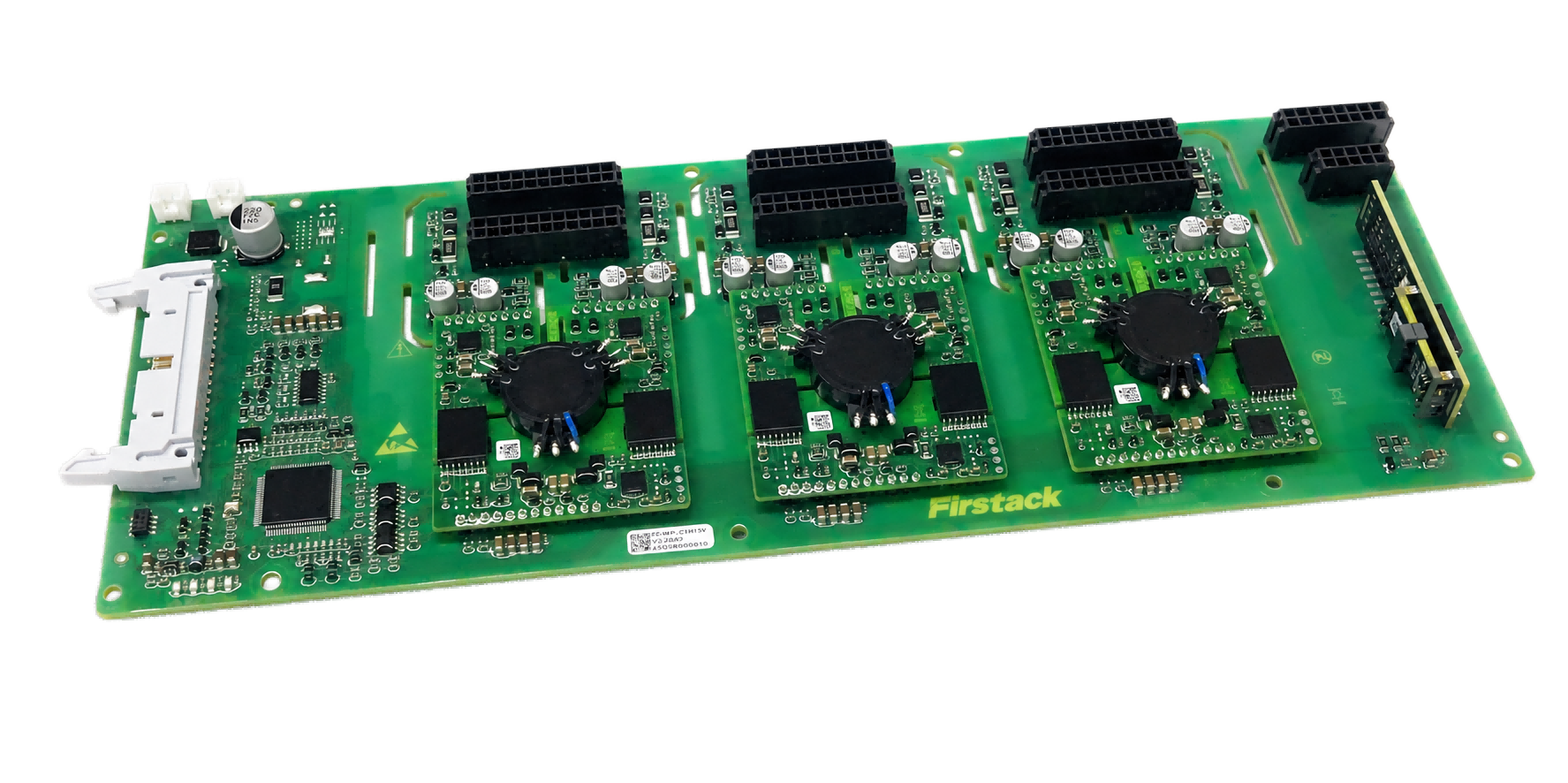
1. What Do Turnkey Power Solutions Include?
The term describes an integrated offering that can combine engineering design, component selection, system assembly, testing, and delivery. The exact scope varies by provider and project. Some suppliers deliver a complete power stack, while others also support gate-drive development, measurement, validation, and manufacturing preparation.
For industrial customers, the main advantage is coordination. Electrical, mechanical, and thermal requirements can be considered together instead of being handled as separate purchasing decisions. This approach can reduce integration gaps and give engineering teams a clearer understanding of system performance, project responsibilities, and delivery expectations.
2. Why Do Engineers Choose an Integrated Approach?
One major benefit is reduced integration complexity. When components are sourced separately, engineers must verify electrical interfaces, communication requirements, protection behavior, cooling arrangements, and physical compatibility. Differences between individual suppliers' assumptions can create unexpected development work.
With turnkey power solutions, more of these interfaces can be addressed within a coordinated engineering process. This can simplify communication, help teams identify design risks earlier, and make testing more consistent. However, customers should still confirm the provider's responsibilities, acceptance criteria, documentation, and support arrangements before starting a project.
3. How Do Gate Drivers and Power Stacks Fit Together?
The IGBT gate driver controls the switching behavior of power semiconductor devices, while the power stack brings switching components and related hardware together into a functional assembly. Their interaction influences switching losses, electromagnetic interference, protection response, and overall system reliability.
An IGBT gate driver must match the selected semiconductor's gate requirements and switching characteristics. Engineers should also assess isolation, fault protection, operating conditions, and layout-related parasitic effects. For silicon carbide applications, faster switching introduces additional considerations involving gate-voltage limits and circuit inductance.
At Firstack, our work across semiconductor drivers, power stacks, and testing equipment helps connect these engineering considerations. Evaluating components as part of a broader system can help engineers identify compatibility issues before they become costly problems during integration or commissioning.
4. What Should Buyers Evaluate Before Selecting a Provider?
A turnkey project should begin with a clearly defined technical scope. Buyers should establish electrical ratings, operating environments, performance targets, cooling requirements, applicable standards, and testing expectations. These details give both parties a common basis for design decisions and acceptance testing.
Manufacturing capabilities also matter. Ask about production capacity, quality-control procedures, traceability, component sourcing, delivery schedules, and engineering change management. Digital supply chain management combined with automated production can improve process visibility and support more consistent delivery planning.
At Firstack, we integrate digital supply chain management with automated manufacturing to support full-process visibility, traceability, and on-time delivery. These capabilities are especially relevant when projects require coordination between engineering development, component procurement, assembly, and final testing.
5. When Is a Turnkey Approach Most Valuable?
An integrated approach can be particularly useful for renewable energy converters, industrial motor drives, rail traction systems, and power transmission equipment. These applications often involve demanding electrical conditions and multiple interacting subsystems.
Turnkey power solutions can also benefit engineering teams with limited internal manufacturing or integration resources. Rather than coordinating every supplier independently, teams can concentrate more effort on application requirements, system validation, and deployment planning. Nevertheless, buyers should retain access to essential technical documentation and confirm how future maintenance, upgrades, and troubleshooting will be handled.
Build Better Power Systems Through Integrated Engineering
Turnkey power development is not simply a purchasing shortcut. It is a way to coordinate design, components, manufacturing, and validation around defined system requirements. When the scope is clear and responsibilities are established, this approach can simplify integration, improve traceability, and support more predictable project execution.
By aligning technical development with manufacturing and validation needs, we help engineers build a stronger foundation for dependable power electronics systems.

